20 Days- Rapid Ama Dablam Expedition
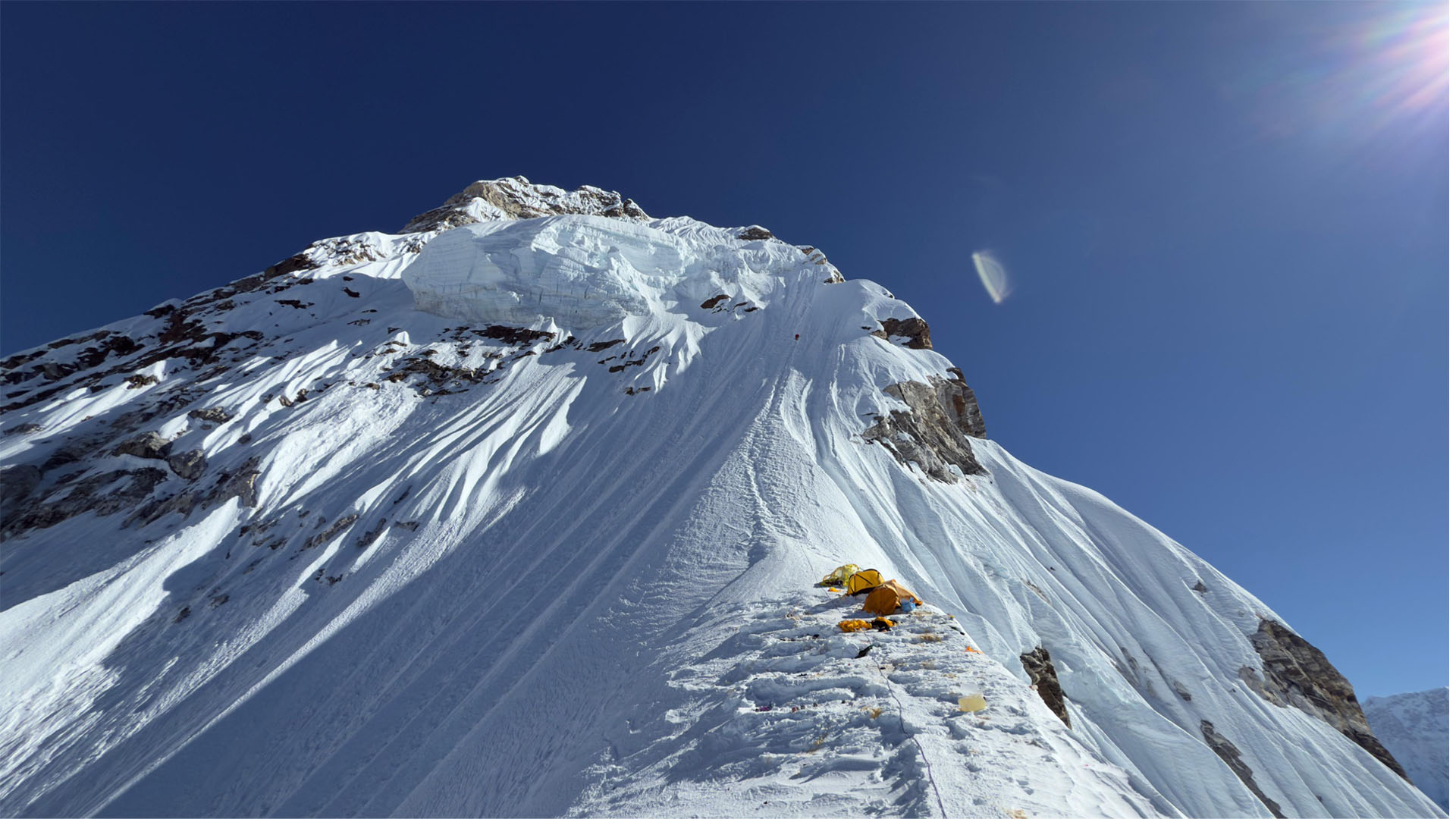
The Rapid Ama Dablam Expedition 20 Days is an intensive, high-altitude mountaineering program designed for experienced climbers who want to attempt the iconic Ama Dablam (6,812 m / 22,349 ft) in a shorter and more efficient timeframe. Rising dramatically above Nepal’s Khumbu Valley, Ama Dablam is widely recognized as one of the most technically challenging and visually spectacular Himalayan peaks. Its distinctive pyramid-shaped summit, steep ridges, exposed climbing sections, and demanding high-altitude environment make it a serious expedition objective rather than a conventional trekking peak.
A 20-day rapid expedition is structured for climbers who already possess strong physical fitness, previous high-altitude experience, and the technical skills required for Himalayan climbing. Instead of following a longer acclimatization and expedition schedule, the rapid format focuses on an efficient itinerary, carefully planned acclimatization, professional logistics, and effective use of the available climbing window. This approach is particularly suitable for mountaineers with limited time who still want to experience the challenge of climbing one of Nepal’s most famous peaks.
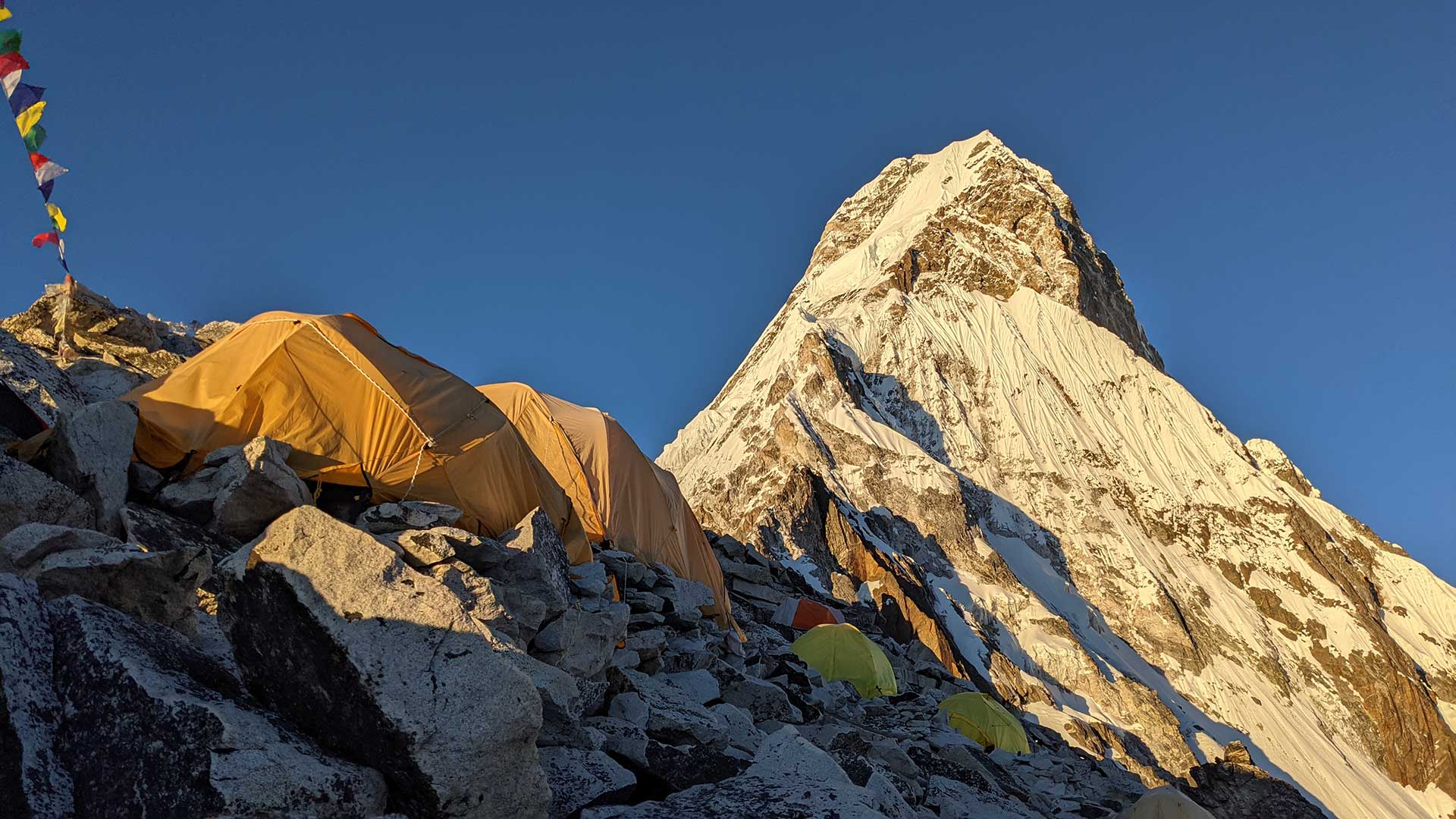
Ama Dablam stands in the Everest region of eastern Nepal, making the expedition an extraordinary combination of technical climbing, Sherpa culture, and Himalayan scenery. The journey generally begins with the approach toward the Khumbu Valley before reaching Ama Dablam Base Camp, where climbers prepare for the summit attempt. The route passes through legendary Sherpa settlements and landscapes associated with Mount Everest expeditions, providing an opportunity to experience the unique cultural and natural character of the region before entering the demanding high-altitude climbing environment.
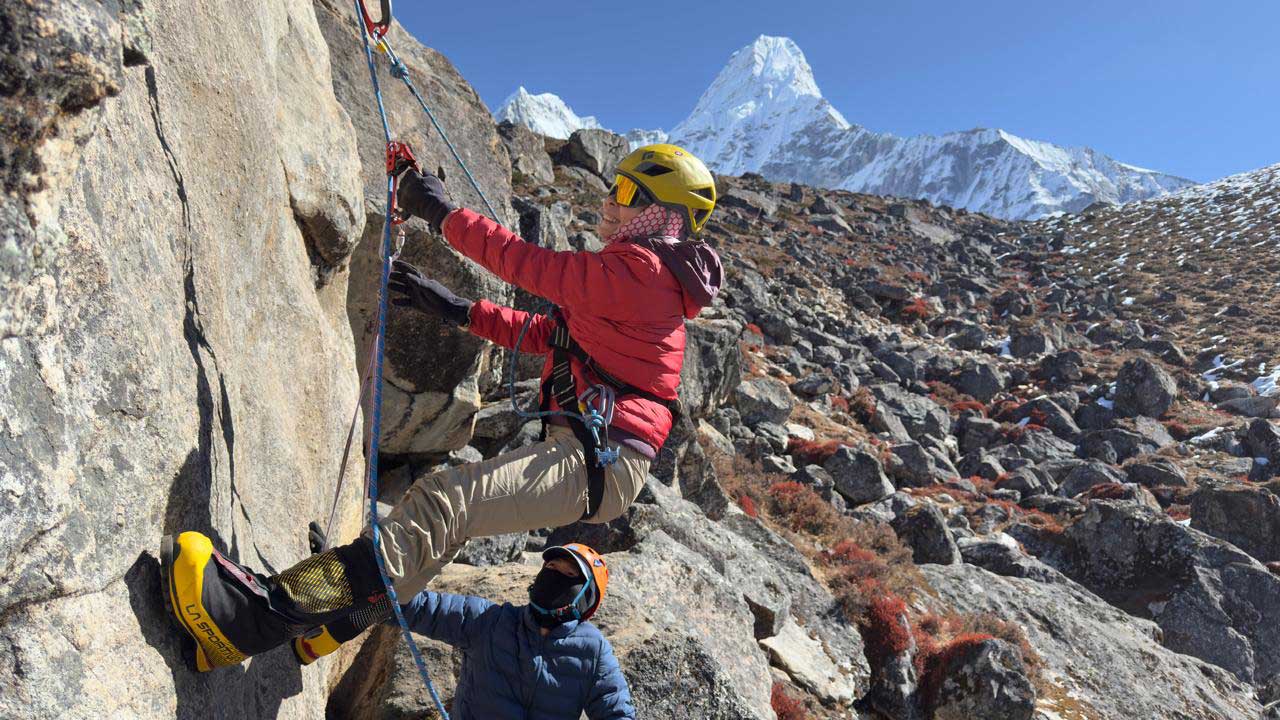
The Rapid Ama Dablam Expedition 20 Days places particular importance on preparation and efficiency. At elevations above 6,000 meters, every stage of an expedition requires careful planning. Climbers must be prepared for cold temperatures, strong winds, altitude-related challenges, steep terrain, and rapidly changing Himalayan weather. Technical sections of Ama Dablam require confidence with climbing equipment, rope systems, crampons, ice axe techniques, fixed ropes, and movement on mixed snow, rock, and ice terrain. Therefore, this expedition is best suited to climbers with appropriate previous mountaineering experience rather than complete beginners.
One of the defining characteristics of Ama Dablam climbing is its technical nature. The standard South-West Ridge route involves challenging climbing sections and progressively higher camps before the summit. Climbers typically move through a series of high camps while adapting to the increasing altitude. The upper mountain demands concentration, efficient movement, and strong teamwork. Depending on route conditions and expedition planning, fixed ropes and other climbing infrastructure may be used to assist climbers through technically demanding sections.
The 20-day format does not mean that acclimatization and safety are ignored. Instead, the itinerary is designed around maximizing available time while maintaining responsible high-altitude practices. Professional expedition leadership, Sherpa support, route management, weather monitoring, equipment preparation, and contingency planning are essential components of a rapid Himalayan expedition. A successful summit attempt depends not only on physical strength but also on choosing the right weather window, maintaining an appropriate climbing pace, and making responsible decisions throughout the expedition.
Another important advantage of a rapid Ama Dablam expedition is its suitability for experienced international climbers who cannot commit to a month-long Himalayan program. By reducing unnecessary downtime and organizing logistics efficiently, a 20-day itinerary can provide a focused pathway from arrival in Nepal to the summit attempt and return. However, the shorter schedule also means that climbers need to arrive properly prepared. Strong cardiovascular fitness, previous experience at altitude, technical climbing ability, and familiarity with expedition equipment can significantly improve readiness for the demanding environment.
Ama Dablam is not simply a mountain to be climbed; it is an expedition experience surrounded by the extraordinary landscapes of the Everest region. From the dramatic Himalayan valleys and traditional Sherpa villages to the towering peaks surrounding the Khumbu, the journey offers an unforgettable perspective of Nepal’s mountain culture. The expedition also provides climbers with the opportunity to experience the discipline, teamwork, and determination required for high-altitude mountaineering.
For climbers searching for a 20-day Ama Dablam Expedition, Rapid Ama Dablam Climbing, Ama Dablam Expedition in Nepal, Ama Dablam 6,812 m, or a fast Himalayan expedition itinerary, this program offers a focused and demanding route toward one of Nepal’s most celebrated peaks. It combines technical mountaineering, professional expedition support, strategic acclimatization, and the breathtaking environment of the Khumbu Himalaya.
The Rapid Ama Dablam Expedition 20 Days is ultimately designed for those who value both challenge and efficiency. With proper preparation, experienced leadership, quality equipment, careful acclimatization, and responsible decision-making, climbers can pursue an ambitious summit objective while experiencing the legendary beauty of the Everest region. For experienced mountaineers ready to take on a technically demanding Himalayan peak within a limited timeframe, Ama Dablam provides an exceptional and memorable expedition challenge.
Normal Ama Dablam Expedition vs. Rapid Ama Dablam Expedition
The primary difference between a Normal Ama Dablam Expedition and a Rapid Ama Dablam Expedition is the overall duration and how much time is available for acclimatization, rest, climbing rotations, preparation, and weather flexibility. Both programs target the same spectacular Ama Dablam at 6,812 meters (22,349 feet) and involve technical Himalayan climbing. However, a normal expedition follows a more relaxed and flexible progression, while the rapid expedition compresses the journey into approximately 20 days. The rapid format is therefore designed mainly for experienced mountaineers who can adapt efficiently to altitude and already possess strong technical climbing skills.
Normal Ama Dablam Expedition
A normal Ama Dablam Expedition generally follows a longer itinerary, often around 25 to 30 days, depending on the expedition operator, route plan, acclimatization strategy, and weather conditions. The additional days are valuable because they allow climbers to progress gradually through the Khumbu region before reaching Ama Dablam Base Camp. The itinerary normally includes time in Kathmandu for preparation, followed by the trek through Lukla, Phakding, Namche Bazaar, Tengboche or Pangboche, and eventually Base Camp. This slower approach gives the body more opportunity to adjust naturally to increasing elevation.
The normal expedition places considerable emphasis on acclimatization. Climbers generally spend additional time at important altitude points and may undertake acclimatization hikes before moving higher. This is particularly important because Ama Dablam is not simply a high mountain but also a technically demanding climbing objective. As altitude increases, oxygen availability decreases, and climbers need to manage their physical effort carefully. A longer itinerary gives the expedition team more time to monitor each climber's condition and make adjustments when necessary.
Another major advantage of the normal itinerary is the availability of rest and recovery days. After demanding trekking or climbing days, climbers need adequate recovery before continuing toward higher camps. Rest days also provide opportunities to check equipment, prepare climbing systems, review weather forecasts, and conduct technical training. At Base Camp, climbers can organize their personal equipment and expedition gear while the Sherpa climbing team prepares the route and logistics for the higher camps.
The normal expedition also generally provides more opportunity for climbing rotations. Climbers can move between Base Camp and higher camps to become familiar with the route and improve their adaptation to altitude. These rotations can help climbers understand the terrain, fixed ropes, steep sections, camp locations, and overall climbing rhythm before the final summit push. If weather or route conditions cause delays, the longer schedule can also provide additional flexibility.
Rapid Ama Dablam Expedition
The Rapid Ama Dablam Expedition is designed to complete the expedition in a significantly shorter timeframe, commonly around 20 days. Instead of allowing a large amount of downtime between different stages, the itinerary is carefully compressed so that approach trekking, acclimatization, Base Camp preparation, climbing rotations, summit operations, and descent can be completed efficiently. The objective is to save time without removing the essential components required for an Ama Dablam summit attempt.
Because the rapid itinerary is shorter, it is particularly appropriate for experienced and well-prepared mountaineers. Climbers are expected to arrive in Nepal with strong physical conditioning, previous high-altitude experience, and appropriate technical climbing skills. Someone who already understands how their body responds to altitude can generally adapt more efficiently than a climber attempting their first major Himalayan expedition. Previous experience on peaks in the 6,000-meter range or higher can be especially valuable.
The approach section of a rapid expedition is also more compressed. Rather than spending extensive time in the Khumbu Valley, the team moves efficiently through the trekking route toward Ama Dablam Base Camp. Acclimatization remains an important part of the program, but there is less spare time compared with a conventional expedition. This makes preparation before arriving in Nepal particularly important. Climbers should already have developed the physical endurance and technical confidence required for the mountain.
At Ama Dablam Base Camp, the rapid program focuses on efficient preparation and climbing operations. Technical training, equipment checks, route preparation, and expedition ceremonies are organized within a limited timeframe. The climbing team then progresses through the higher camps according to the planned schedule. Rather than spending many additional days waiting between rotations, the rapid itinerary aims to make each climbing day purposeful and efficient.
Difference in Climbing Rotations
The difference becomes particularly noticeable during the climbing phase. In a normal expedition, climbers have more time to complete repeated rotations between Base Camp and higher camps. These rotations can support acclimatization, route familiarity, and physical preparation for the summit. There is also more flexibility to repeat a rotation if weather or individual performance requires it.
In a rapid expedition, the climbing rotations are organized much more tightly. Climbers may move from Base Camp toward Camp I and Camp II, return for recovery, and then prepare for the summit push within a shorter period. The objective is to use the available weather window efficiently. Consequently, climbers must be capable of maintaining a strong performance throughout a compressed climbing schedule.
Difference in Weather Flexibility
Weather is one of the most important factors in any Ama Dablam expedition. Himalayan weather can change rapidly, and strong winds, snowfall, poor visibility, or unsafe climbing conditions can affect the summit schedule. A normal expedition has an advantage because its longer duration usually provides more opportunities to absorb unexpected delays. If the summit attempt has to be postponed, the team may have additional days available.
A rapid expedition has less flexibility because the overall schedule is already compressed. Although a rapid itinerary can include a contingency day, a prolonged weather closure can create greater scheduling pressure. Therefore, choosing the correct climbing window and monitoring mountain conditions closely become particularly important for a 20-day program.
Difference in Physical and Mental Demands
Both expeditions are physically demanding, but the rapid program can feel more intense because activities are concentrated into fewer days. Climbers may have less time to recover between major stages, and there is less opportunity to slow down if fatigue develops. Mental preparation is equally important because the climber must remain focused while managing altitude, technical terrain, cold temperatures, and a demanding schedule.
The normal itinerary generally offers a more comfortable rhythm. Climbers can use additional days to recover, adapt, train, and prepare mentally for the summit. This does not make the normal expedition easy—Ama Dablam remains a serious technical Himalayan mountain—but the longer schedule provides a greater margin for adaptation and planning.
Which Expedition Should You Choose? Compare Normal vs Rapid Ama Dablam Expeditions
Choosing between a Normal Ama Dablam Expedition and a Rapid Ama Dablam Expedition depends primarily on your mountaineering experience, previous high-altitude exposure, physical fitness, technical ability, available time, and personal approach to Himalayan climbing. Both itineraries aim for the summit of Ama Dablam (6,812 m / 22,349 ft), but they provide very different expedition experiences. A normal expedition gives you more time for acclimatization, recovery, training, climbing rotations, and weather flexibility, while a rapid expedition is designed to complete the journey within approximately 20 days through a more concentrated and efficient schedule.
Choose the Normal Ama Dablam Expedition for More Time and Flexibility
A Normal Ama Dablam Expedition is generally the better choice if you prefer a gradual and well-paced Himalayan climbing experience. The longer itinerary gives you additional time to travel through the Khumbu region, acclimatize to increasing altitude, prepare at Base Camp, complete climbing rotations, and recover between demanding stages. This can be particularly valuable because Ama Dablam is a technically challenging mountain where climbers must manage both altitude and difficult terrain. Having additional days can make the overall expedition feel more manageable and provides greater flexibility when conditions do not go according to plan.
The normal itinerary is also a strong option for climbers who want more time to understand how their body responds to altitude. Even experienced mountaineers can react differently to high elevation, and a longer schedule provides opportunities to monitor fatigue, hydration, sleep, and acclimatization before committing to the summit push. If you have enough time available in Nepal, there is generally little reason to rush the process when additional acclimatization and recovery time can improve expedition flexibility.
Choose the Rapid Ama Dablam Expedition If You Have Limited Time!
The Rapid Ama Dablam Expedition 20 Days is designed for experienced mountaineers who cannot commit to a longer expedition schedule. Instead of spending several additional days at different stages, the rapid itinerary organizes the approach, acclimatization, Base Camp preparation, climbing rotations, summit attempt, and descent within a compact timeframe. This makes it particularly attractive to climbers who have professional or personal commitments but still want to attempt one of Nepal's most iconic technical peaks.
However, the shorter duration should not be interpreted as meaning that the mountain is easier. Ama Dablam remains the same 6,812-meter technical Himalayan peak, regardless of whether you climb it through a normal or rapid itinerary. The difference is that the rapid program gives you less spare time. Climbers therefore need to arrive in Nepal already well prepared rather than expecting the expedition itself to provide extensive time for building fitness or technical confidence.
Your Previous High-Altitude Experience Matters
Previous climbing experience should be one of the most important factors when deciding between the two programs. If you have already climbed several high-altitude peaks and are comfortable operating in an environment above 6,000 meters, the rapid expedition may be a realistic option. Familiarity with crampons, ice axes, fixed ropes, harness systems, ascenders, rappelling, steep snow and ice, and expedition movement can help you adapt to the compressed schedule.
If you have limited experience at extreme altitude, the normal expedition is generally the more sensible option. Additional days do not remove the risks associated with high-altitude mountaineering, but they provide more opportunity for acclimatization, recovery, training, and informed decision-making. Rather than choosing an itinerary simply because it is shorter, climbers should select a schedule that matches their actual experience and preparedness.
Consider Your Physical Fitness and Recovery Ability
Physical conditioning is another major consideration. A rapid Ama Dablam expedition requires climbers to maintain performance across a relatively compressed sequence of demanding days. Trekking toward Base Camp, climbing to higher camps, returning for recovery, and preparing for the summit can place considerable stress on the body. Strong cardiovascular fitness, muscular endurance, efficient movement, and previous exposure to prolonged mountain activity are particularly important.
The normal itinerary provides more opportunities to recover between major stages. This does not mean that fitness is less important, but the additional time can make it easier to manage fatigue. If you know that you recover slowly after strenuous activity or have previously struggled with rapid altitude gain, a longer itinerary may be more appropriate than attempting to save several days.
Think About Weather and Contingency Days
Weather should also influence your decision. The Himalayan environment is unpredictable, and summit attempts can sometimes be delayed because of high winds, snowfall, poor visibility, or unsafe route conditions. A normal expedition usually has more overall time to accommodate such disruptions. If the weather prevents a planned summit attempt, the team may have additional opportunities to wait for a suitable window.
A rapid expedition has less scheduling flexibility because the entire program is compressed into 20 days. Although contingency planning remains part of responsible expedition management, there is naturally less room to absorb prolonged delays. Climbers choosing the rapid option should therefore understand that time efficiency and weather flexibility are competing factors.
Consider Your Personal Travel Schedule
Your available time in Nepal can ultimately make the decision much easier. If you can comfortably dedicate approximately four weeks or more to the expedition, a normal itinerary may provide a more relaxed and flexible experience. You have additional time to enjoy the Khumbu approach, acclimatize, prepare for technical climbing, and respond to changing mountain conditions.
If you have only around three weeks available and have the necessary experience, the 20-day Rapid Ama Dablam Expedition can be an attractive alternative. It allows experienced climbers to pursue the same ambitious summit objective without committing to a significantly longer Himalayan program.
Rapid Does Not Mean Better—Normal Does Not Mean Easier
It is important not to view the two itineraries as a competition where one is automatically better than the other. Rapid and normal expeditions are designed for different types of climbers. The normal program prioritizes time, acclimatization, recovery, and flexibility, while the rapid program prioritizes efficiency and a shorter overall commitment.
Likewise, a normal expedition should not be considered an easy option. Ama Dablam involves demanding technical climbing and serious high-altitude conditions. The additional days simply provide a larger planning and adaptation window. Similarly, the rapid itinerary should not be considered a shortcut. It compresses the expedition but does not eliminate the mountain's technical difficulty or high-altitude challenges.
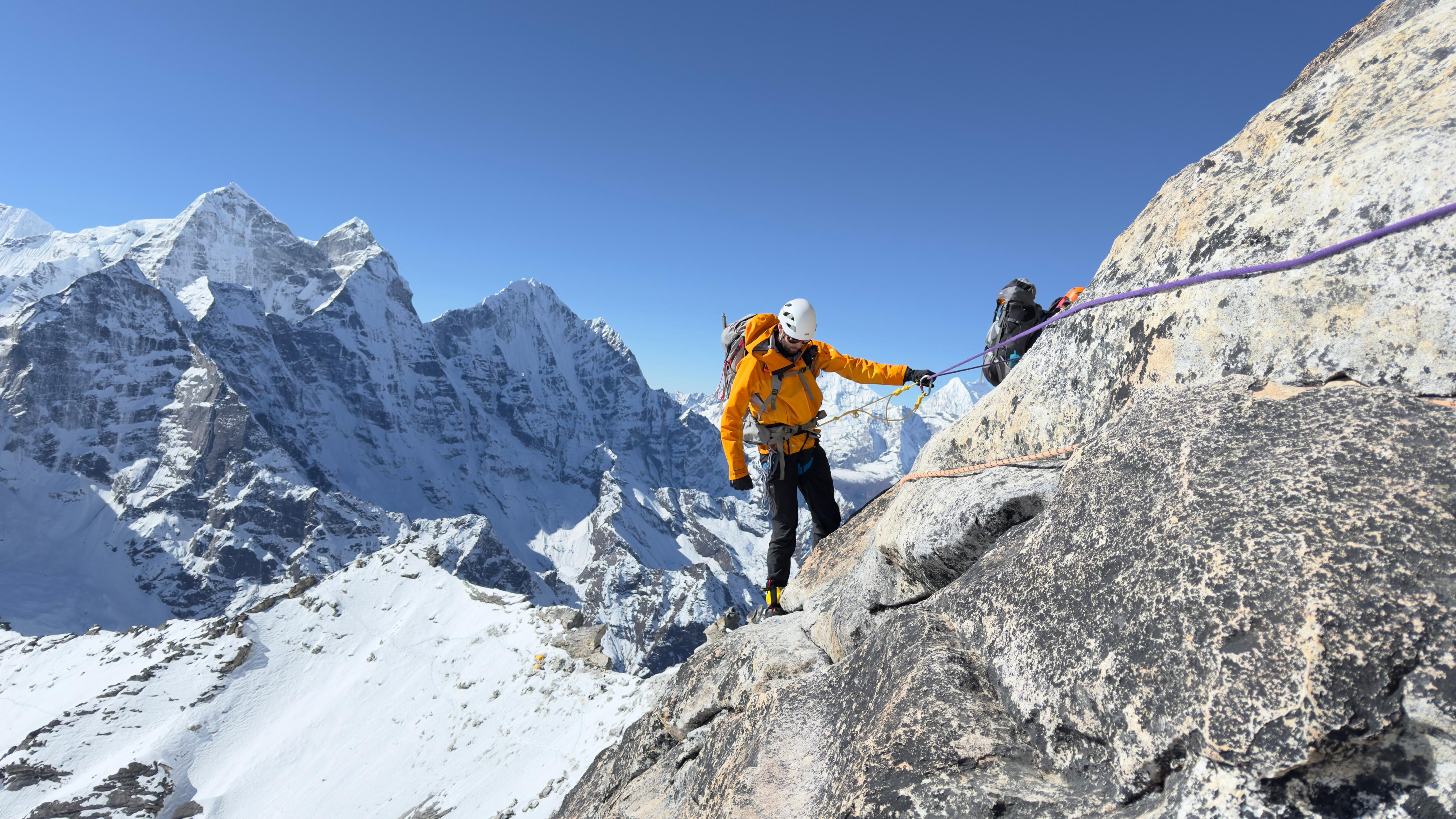
Final Recommendation from Our Travel Expert: Which One Is Right for You? Normal vs Rapid Amadablam Expedition
If you are an experienced high-altitude climber with strong technical skills, excellent physical conditioning, previous Himalayan experience, and limited time, the Rapid Ama Dablam Expedition 20 Days may be the better choice. Its compact schedule can provide an efficient route toward the summit while maintaining the essential stages of a serious expedition.
If you prefer more acclimatization time, additional recovery, greater weather flexibility, more climbing rotations, and a less compressed schedule, choose the Normal Ama Dablam Expedition. It is particularly suitable for climbers who have sufficient time and want to prioritize a measured expedition strategy.
Ultimately, the best Ama Dablam itinerary is the one that matches your experience—not simply your calendar. Before choosing a 20-day rapid program, honestly assess your previous altitude experience, technical climbing skills, physical condition, and ability to perform under a compressed schedule. For the right climber, the rapid expedition can be an efficient and exciting Himalayan objective; for climbers who benefit from additional acclimatization and flexibility, the normal expedition is the more prudent choice.