Ama Dablam Expedition: A Complete Introduction to One of Nepal’s Most Iconic Himalayan Climbs
The Ama Dablam Expedition is one of the most spectacular and technically demanding mountaineering adventures in Nepal, attracting experienced climbers from around the world who dream of standing on the summit of one of the Himalayas’ most recognizable peaks. Rising to 6,812 meters (22,349 feet) above sea level, Ama Dablam is located in Nepal’s Khumbu region, close to the world-famous Everest Base Camp trekking route. Its distinctive pyramid-shaped summit, dramatic ridges, hanging glaciers, and steep snow and rock faces have earned it a reputation as the “Matterhorn of the Himalayas.” More than simply a high-altitude climb, an Ama Dablam Expedition combines technical mountaineering, extreme Himalayan landscapes, altitude acclimatization, expedition logistics, and the unique Sherpa culture of the Everest region.
Unlike a conventional Himalayan trek, climbing Ama Dablam requires substantial preparation, physical endurance, technical ability, and familiarity with high-altitude conditions. The mountain presents a challenging combination of steep rock, ice, exposed ridges, snow slopes, and changing weather. Climbers generally need experience with essential mountaineering techniques such as fixed-rope climbing, rappelling, ascending with jumars, crampon movement, ice-axe use, belaying, and climbing on steep terrain. Previous experience on high-altitude peaks is highly beneficial because the expedition involves sustained exposure to thin air and demanding climbing conditions. For climbers looking to progress from trekking peaks toward more technical Himalayan mountaineering, Ama Dablam can represent an important and rewarding step.
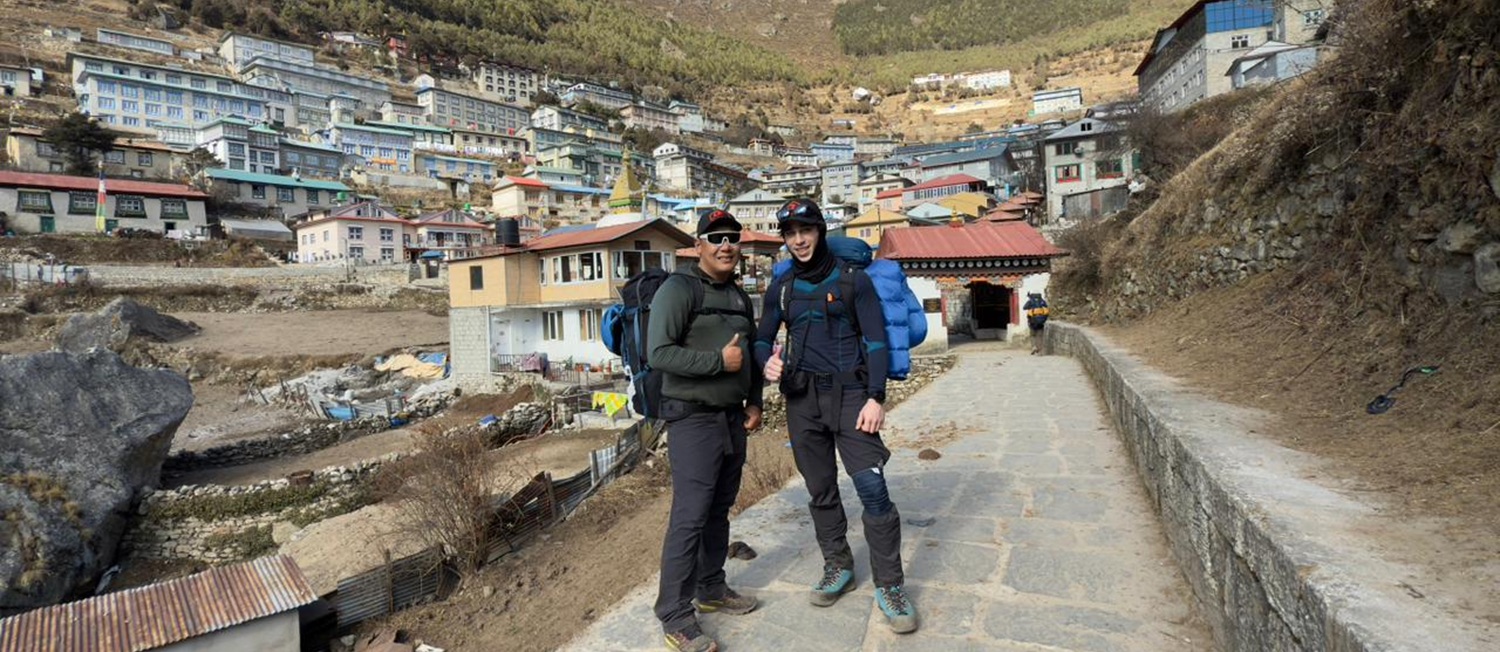
The journey typically begins in Kathmandu, followed by a flight to Lukla and a gradual trek through the Khumbu Valley. The approach to Ama Dablam takes climbers through iconic Sherpa settlements and breathtaking Himalayan scenery, including villages such as Phakding, Namche Bazaar, Tengboche, Pangboche, and surrounding mountain communities. The trekking approach is not merely transportation to the mountain; it is an essential part of the acclimatization process. Walking progressively higher allows the body to adapt to decreasing oxygen levels while giving climbers time to adjust physically and mentally before entering the more technical stages of the expedition.

After reaching the mountain area, climbers establish and use a series of camps designed to support acclimatization and summit preparation. Ama Dablam Base Camp serves as the primary expedition hub, where climbers organize equipment, receive route briefings, monitor weather forecasts, practice technical skills, and prepare for rotations on the mountain. Higher camps are positioned along the climbing route, allowing teams to spend limited periods at increasing elevations before returning lower for recovery. Proper acclimatization is one of the most important factors in managing altitude-related risks and improving the chances of a safe summit attempt.
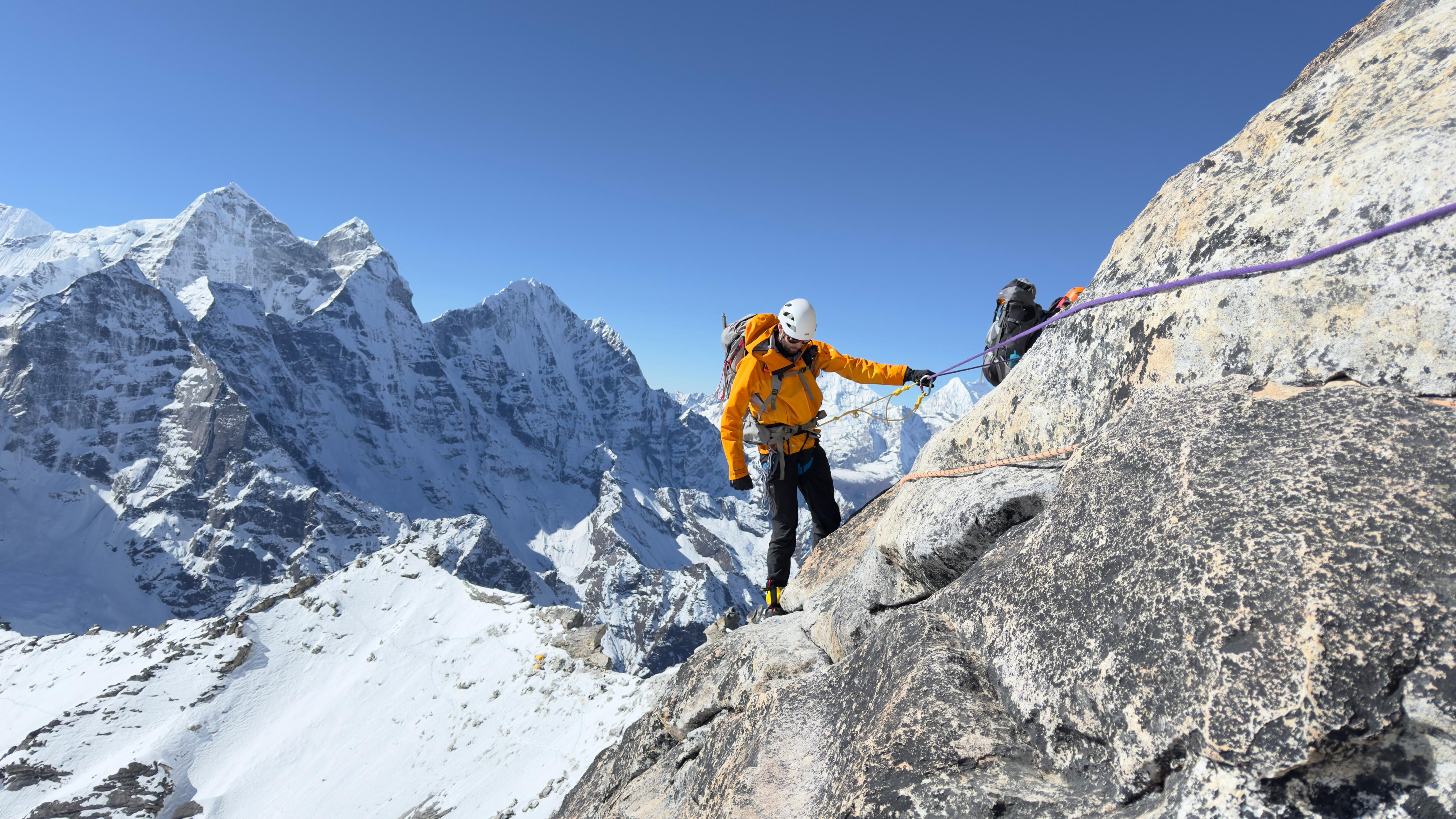
The climbing route is famous for its technical character and exposure. Depending on the expedition strategy and current route conditions, climbers encounter sections of rock, snow, and ice while ascending the mountain’s prominent ridges. The Southwest Ridge is particularly well known for its challenging climbing terrain and dramatic exposure. Climbers may encounter steep rock pitches, mixed climbing, fixed ropes, exposed traverses, and icy sections where careful movement is essential. The higher sections can become especially demanding because technical climbing must be performed while the body is functioning with significantly less oxygen than at sea level.
Weather is another major consideration during an Ama Dablam Expedition. Himalayan conditions can change rapidly, with strong winds, snowfall, low temperatures, cloud movement, and sudden deterioration in visibility creating additional challenges. Selecting an appropriate climbing window is therefore crucial. Autumn and spring are generally regarded as the principal climbing seasons because they offer comparatively favorable weather and visibility, although mountain conditions can never be guaranteed. Expedition teams continuously monitor weather forecasts and route conditions before deciding when to move toward higher camps and attempt the summit.
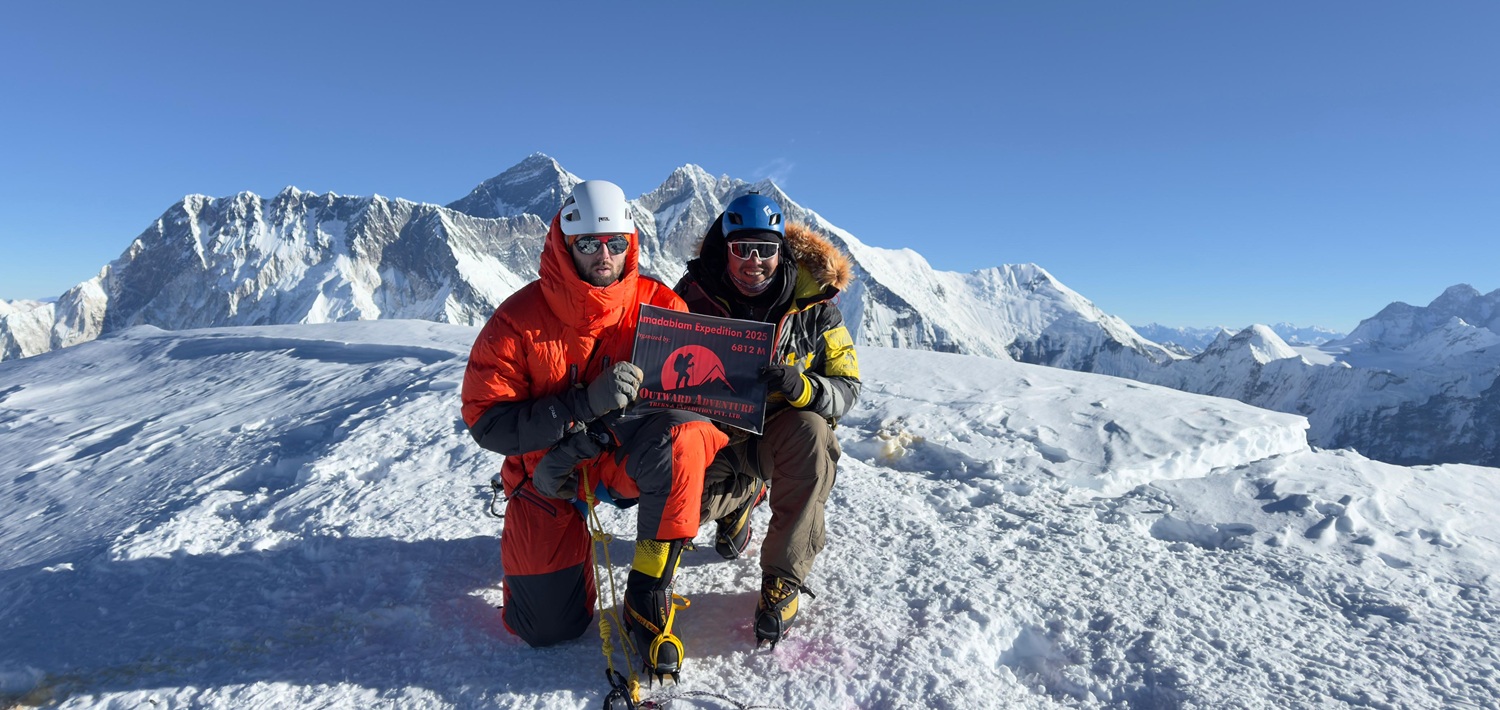
The summit day is the defining moment of the expedition. Climbers typically begin their summit push during the night, aiming to reach the summit during the morning when conditions may be more favorable. The final ascent requires concentration, stamina, efficient rope technique, and careful management of energy. Standing at the summit provides extraordinary views across the Khumbu Himalayas, with Mount Everest, Lhotse, Nuptse, Makalu, Baruntse, and numerous other Himalayan peaks visible in favorable conditions. However, reaching the summit is never the only objective. A successful expedition means returning safely to Base Camp and ultimately back to Kathmandu.
Choosing the right expedition operator is an important part of planning an Ama Dablam climb. Professional expedition organization should include experienced mountain guides, Sherpa support, route planning, acclimatization strategies, appropriate climbing equipment, communication systems, weather monitoring, and emergency-response planning. Climbers should also understand that expedition costs vary according to services, group size, permits, guide-to-climber ratio, oxygen arrangements, logistics, transportation, insurance requirements, and the level of support provided.
For climbers searching for a challenging Himalayan experience that combines technical climbing with the extraordinary culture and landscapes of the Everest region, the Ama Dablam Expedition offers an unforgettable opportunity. Its iconic profile, demanding climbing route, high-altitude environment, and spectacular summit views make it one of Nepal’s most sought-after mountain expeditions. With serious physical preparation, technical training, proper acclimatization, experienced leadership, reliable logistics, and respect for the mountain, an Ama Dablam Expedition can become a defining achievement in a mountaineer’s Himalayan journey.
Best Seasons for Ama Dablam Expedition in Nepal
Choosing the best season for the Ama Dablam Expedition is one of the most important decisions for climbers planning to summit Ama Dablam (6,812 m / 22,349 ft). Because Ama Dablam is a technical Himalayan mountain involving steep rock, ice, fixed ropes, exposed ridges, and high-altitude climbing, stable weather and suitable route conditions are particularly important. According to Ama Dablam Expeditions, the two principal climbing seasons are spring (April–May) and autumn (September–November), with autumn generally regarded as the premier window.
Amadablam Expedition During the Autumn Season: September to November — The Prime Choice
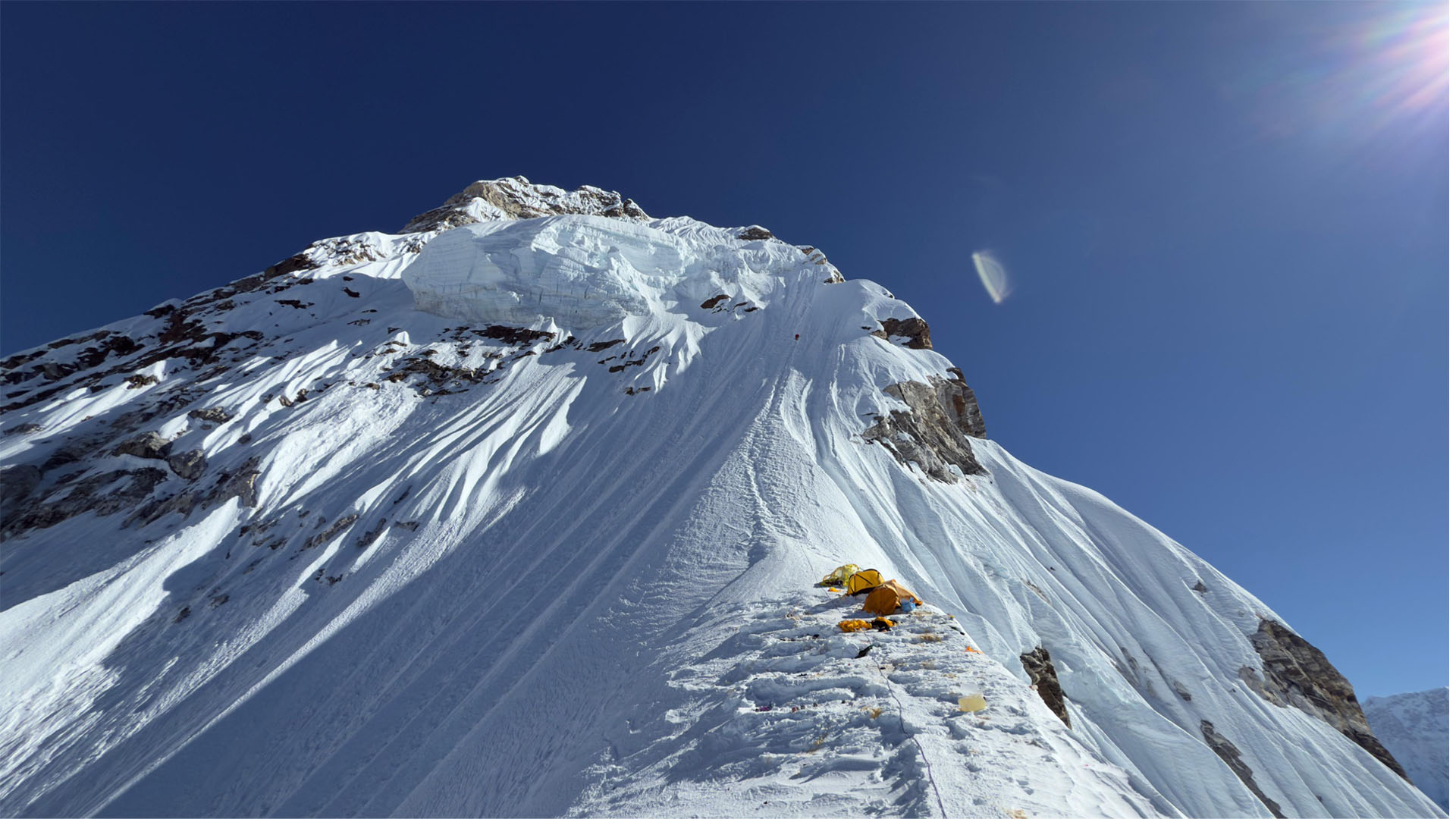
Autumn is widely considered the best season for an Ama Dablam Expedition, particularly from October to early November. After the summer monsoon, the atmosphere becomes much clearer, visibility improves, and the Khumbu region generally experiences more stable and drier conditions. These characteristics are especially valuable on Ama Dablam because climbers need reliable weather windows for technical sections and the summit push. ]
October is the strongest month for most climbers. The combination of relatively stable weather, clear Himalayan panoramas, dry conditions, and suitable technical climbing conditions makes October particularly attractive. November can also provide excellent climbing opportunities, although temperatures become progressively colder and winter winds can begin to influence conditions later in the month.
For climbers prioritizing weather stability, visibility, technical route conditions, and summit opportunities, an October–November Ama Dablam Expedition is generally the preferred choice.
Amadablam Expedition During Spring Season: April to May — Excellent Alternative
Spring is the second major climbing season for Ama Dablam, with April and May offering suitable conditions before the summer monsoon. Ama Dablam Expeditions lists spring alongside autumn as its primary operating season.
One of the major advantages of spring is the spectacular approach through the Khumbu Valley. Rhododendrons bloom across the lower and middle elevations, creating colorful landscapes during the trek toward Base Camp. Days are also becoming longer and temperatures generally become more comfortable compared with the colder late-autumn period.
However, spring can present different mountain conditions from autumn. Residual winter snow may remain on higher sections, and climbers must carefully evaluate snow stability, avalanche exposure, and changing temperatures. Consequently, spring is an excellent option for experienced climbers but requires appropriate preparation and flexible expedition planning.
Summer/Monsoon Season Amadablam Expeditions: June to August — Generally Not Recommended
The June–August monsoon season is generally unsuitable for a standard Ama Dablam Expedition. Heavy precipitation, cloud cover, wet trails, reduced visibility, landslide risks, and unstable mountain conditions can make both the approach and climbing considerably more difficult.
For a technical mountain such as Ama Dablam, reduced visibility and unpredictable weather can significantly complicate route-finding, fixed-rope climbing, and summit-window planning. Therefore, professional expedition operators generally concentrate their Ama Dablam programs around the spring and autumn climbing windows.
Winter Season Amadablam Expedition: December to February — Extreme Conditions
Winter brings exceptionally cold temperatures, stronger winds, shorter daylight hours, and potentially challenging snow and ice conditions. Although highly experienced alpine climbers may undertake winter ascents, it is not the normal commercial climbing season for Ama Dablam.
For most international expedition climbers, winter conditions add unnecessary environmental and logistical challenges compared with the established spring and autumn windows. Ama Dablam Expeditions specifically schedules its standard programs during spring and autumn.
Autumn vs. Spring: Which Is Better doing Amadablam Expeditions?
If your primary goal is the most favorable overall climbing window, autumn is generally the stronger choice. October and early November combine post-monsoon clarity with relatively stable conditions and are particularly attractive for summit attempts. The Ama Dablam Expeditions' own seasonal guide identifies autumn as the premier window, while spring remains an excellent alternative.
Choose autumn for Amadablam Expeditions if you prioritize:
Clear Himalayan views
Stable post-monsoon weather
Dry technical climbing conditions
A well-established commercial climbing season
Strong summit-window potential
Choose spring Season for Amadablam if you prioritize:
Longer daylight
A warmer approach trek
Rhododendron-filled Khumbu landscapes
A different and quieter expedition atmosphere
April–May climbing opportunities
- September: Early autumn, but lingering monsoon conditions can occur.
- October: Best overall choice — generally stable, clear and dry.
- November: Excellent — dry and clear but progressively colder, particularly later in the month.
- April: Excellent spring window — improving conditions and beautiful landscapes.
- May: Good — warmer conditions but increasing pre-monsoon variability toward the end of the month.
For climbers planning an Ama Dablam Expedition in Nepal, October to early November is the recommended premium window, while April to May provides an excellent spring alternative. The exact summit date should never be determined by the calendar alone. Mountain conditions, weather forecasts, route status, acclimatization, team readiness, and professional guide assessments should determine the final summit push.
For Ama Dablam Expeditions, the standard expedition programs are offered in spring and autumn, including a 25-day Ama Dablam Expedition reaching 6,812 m, with small-group options and professional expedition logistics.
Can a Beginner Climb Ama Dablam Expedition?
The short answer is generally no—not as a completely inexperienced beginner. The Ama Dablam Expedition at 6,812 meters (22,349 feet) is a serious technical Himalayan climb, not a conventional trekking peak or high-altitude trek. Ama Dablam Expeditions itself describes its standard expedition as being suited to climbers with solid high-altitude experience, while its published programs are graded Difficult.
Why Is Ama Dablam Expeditions Difficult for Beginners?
Ama Dablam is challenging because climbers must combine high-altitude endurance with technical mountaineering skills. The normal climbing terrain includes steep rock, snow and ice, exposed ridges, fixed-rope sections, and demanding high camps. The expedition route reaches Camp I at approximately 5,700 meters, Camp II at 6,000 meters, and the summit at 6,812 meters, meaning climbers must perform technical movements while dealing with significantly reduced oxygen and extreme environmental conditions.
For a person who has never climbed a mountain before, the combination of altitude, exposure, cold, technical terrain, and long summit days can be overwhelming. Ama Dablam should therefore not normally be considered a first-ever mountaineering experience. Professional Sherpa guidance can provide essential support, but guides cannot replace the climber's own technical ability, physical conditioning, judgment, and high-altitude experience.
Can Someone With No Ama Dablam Experience Still Climb It?
Yes, there is an important distinction between being a beginner to Ama Dablam and being a beginner to mountaineering. A climber does not necessarily need to have climbed Ama Dablam before. However, someone attempting it for the first time should ideally have previous experience with high-altitude trekking, 6,000-meter-class peaks, crampons, ice axes, fixed ropes, rappelling, ascending ropes with mechanical ascenders, and movement on steep snow or ice.
What Experience Should You Have Before Climb Ama Dablam?
A strong candidate should ideally build experience progressively. High-altitude trekking can develop endurance and help a climber understand how their body responds to altitude. After that, climbing a suitable trekking peak or technical 6,000-meter peak can provide valuable experience with crampons, ropes, steep terrain, camp routines, and summit-day preparation.
For example, Ama Dablam Expeditions offers combined programs involving Lobuche East (6,119 m) and Island Peak (6,189 m) before the Ama Dablam objective. These itineraries are structured to provide additional high-altitude and technical climbing experience before attempting Ama Dablam.
This progression can be particularly valuable for ambitious climbers who are relatively new to Himalayan mountaineering but already have strong trekking and outdoor experience.

Is Ama Dablam Suitable for a Fit Beginner?
Being physically fit is certainly helpful, but fitness alone does not make someone ready for Ama Dablam. A person may be an excellent runner, cyclist, hiker, or gym athlete and still lack the technical skills required for a steep Himalayan expedition.
Ama Dablam demands a combination of cardiovascular endurance, leg and core strength, balance, climbing efficiency, altitude adaptation, mental resilience, and technical rope skills. Climbers should also be capable of functioning efficiently while tired, cold, and exposed to high altitude.
Therefore, the better question is not simply, “Am I fit enough for Ama Dablam?” but rather, “Do I have the physical fitness, technical climbing skills, high-altitude experience, and mental preparation required for Ama Dablam?”
Can Sherpa Guides Help Beginners Climb Ama Dablam?
Experienced Sherpa guides are extremely valuable during an Ama Dablam Expedition. A professional team can provide route knowledge, technical guidance, high-altitude support, expedition logistics, weather information, and assistance with fixed-rope systems. Ama Dablam Expeditions describes its programs as Sherpa-led expeditions with professional logistics and high-altitude expertise.
However, professional support should not be interpreted as a guarantee that an inexperienced person can safely climb the mountain. A guide can assist a prepared climber, but technical competence and personal readiness remain essential. Every climber must be able to follow instructions, use climbing equipment correctly, manage their own movement on fixed ropes, recognize changing physical conditions, and make responsible decisions at altitude.
What Is the Best Path for a Beginner Who Dreams of Ama Dablam?
For a true beginner, the safest approach is progressive preparation rather than immediately booking Ama Dablam. Start by developing strong trekking endurance and gaining experience at altitude. Then progress toward an appropriate trekking or climbing peak where you can learn crampon walking, ice-axe techniques, rope management, rappelling, ascending fixed ropes, and basic glacier or steep-snow movement.
After gaining practical experience, a climber can consider a more technical 6,000-meter objective and eventually Ama Dablam. A combined Everest Base Camp, Lobuche East, or Island Peak and Ama Dablam itinerary can also provide a structured progression, although the technical demands of Ama Dablam remain significant. Ama Dablam Expeditions' combined programs specifically incorporate acclimatization and technical climbing objectives before the Ama Dablam summit attempt.
Is Ama Dablam Harder Than Everest Base Camp Trek?
Yes, by a very large margin. Everest Base Camp is a high-altitude trek, whereas Ama Dablam is a technical mountaineering expedition. An Everest Base Camp trek can help develop trekking endurance and altitude awareness, but completing the trek does not automatically mean a climber is ready for Ama Dablam.
The difference is particularly clear on the upper mountain, where climbers progress from Base Camp around 4,600 meters toward Camp I at 5,700 meters, Camp II at 6,000 meters, and finally the 6,812-meter summit.
A complete beginner should not normally attempt Ama Dablam as their first major mountain. However, a climber who is new specifically to Ama Dablam—but already has substantial high-altitude trekking, technical climbing, and mountaineering experience—may be a suitable candidate with proper preparation and professional support.
The ideal Ama Dablam climber is physically strong, technically competent, experienced at altitude, mentally prepared, properly acclimatized, and willing to respect the mountain's changing conditions. With progressive training and climbing experience, today's beginner can potentially develop into a capable Ama Dablam candidate—but the mountain should be approached as a serious technical expedition, not as a beginner-friendly trekking adventure.

Conclusion: Can a Beginner Climb Ama Dablam Expedition?
The Ama Dablam Expedition in Nepal is an extraordinary Himalayan adventure, but it is not generally suitable for a complete beginner with no previous mountaineering experience. At 6,812 meters (22,349 feet), Ama Dablam combines extreme altitude with technical rock, snow and ice climbing, exposed ridges, fixed-rope sections, cold temperatures, and rapidly changing mountain conditions. For this reason, successful Ama Dablam climbing requires much more than physical fitness. Climbers need appropriate high-altitude experience, technical mountaineering skills, strong endurance, mental resilience, proper acclimatization, and the ability to use climbing equipment confidently.
However, being a beginner to Ama Dablam does not necessarily mean being unqualified to climb it. A climber who has already gained experience on high-altitude trekking and climbing peaks such as Island Peak or Lobuche East, together with proper technical training and professional expedition support, can progressively prepare for Ama Dablam. A carefully planned climbing progression is one of the best ways to build the skills and confidence required for this demanding Himalayan summit.
For anyone asking, “Can a beginner climb Ama Dablam?”, the most accurate answer is: a complete mountaineering beginner should not treat Ama Dablam as a first major climb, but a well-trained climber with previous high-altitude and technical experience can potentially prepare for and attempt the expedition with an experienced professional team. The mountain should always be approached with respect, realistic assessment, proper preparation, and a willingness to turn around when conditions become unsafe.
Ultimately, the goal of an Ama Dablam Expedition in Nepal should not simply be reaching the summit. A successful expedition means managing altitude responsibly, climbing safely, following professional guidance, adapting to weather and route conditions, and returning safely after the summit attempt. With progressive climbing experience, comprehensive physical and technical preparation, reliable expedition logistics, experienced Sherpa leadership, and sufficient acclimatization, Ama Dablam can become a defining achievement in a mountaineer's Himalayan journey.